TCM China:

Introduction To Ash Bark (qin pi)

¡¡

¡¡

¡¡


¡¡

¡¡

¡¡

¡¡

¡¡


¡¡


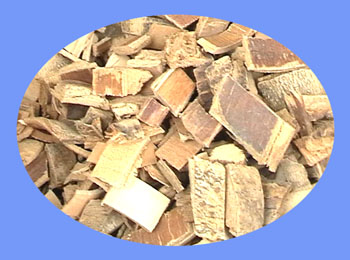
Ash Bark (qin pi)

Cortex Fraxini

¡¡

Properties: Bitter and puckery in flavour, cold in nature, it acts on the liver, gallbladder and large intestine channels. The propertoes of bitter and cold clear away heat and purge fire. The puckery flavour acts as astringent and aneidiarrheal agents. Owing to the functions of clearing away heat, purging liver-fire and improving the cision, the herb is indicated for excessive fore in the liver channel, conjunctival cingestion and headache. It is often used in the cases of dysdtery due to damp-heat pathogen, because it also has the effect of clearing away the intestinal heat and purging fire, astuinging intestine so as to alleviate diarrhea.

Effects: Clearing away heat, detoxicating, removing excessive heat from the liver to improve the vision, removing dampness and curing diarrhea.

Indications:

1. For treating dysentery with bloody stool, it is used in combination with coptis root, phellodendron bark and pulsatilla root to clear away heat, detoxicte, remove heat from blood and cure dysentery. In case of profuse leukorrhea due to damp-heat, it is used in combination with the druge for clearing heat, removing dampness and anti-leukorrhea, such as phellodendron bark, atractylodes rhizome and ailanthus bark.

2.For treating the syndromes of the flaming-up of the liver fore, conjunctival congestion, swellings and pain in the eyes, nebula, it is used in combination with the drugs for removing intensive heat from the liver and improving vision, such as cicada slough, chrysanthemum flower and coptis root.

Dosage and Administration: 3-12g.

--------------------------------------------------------------------------------------------- 

¡¡


¡¡

¡¡

¡¡

¡¡